Planned group
Adults
Ages 19 and up
Starts
7–9 p.m.
Every other Sunday 2 hours
Virtual only
4–6 participants
Eight sessions spread over several months.
Ask about this group
A small group3–5 elementary participants · 4–6 in other groups
A personal starting pointIndividual intake before the group
Time to practiceEight group sessions
New to all of this?
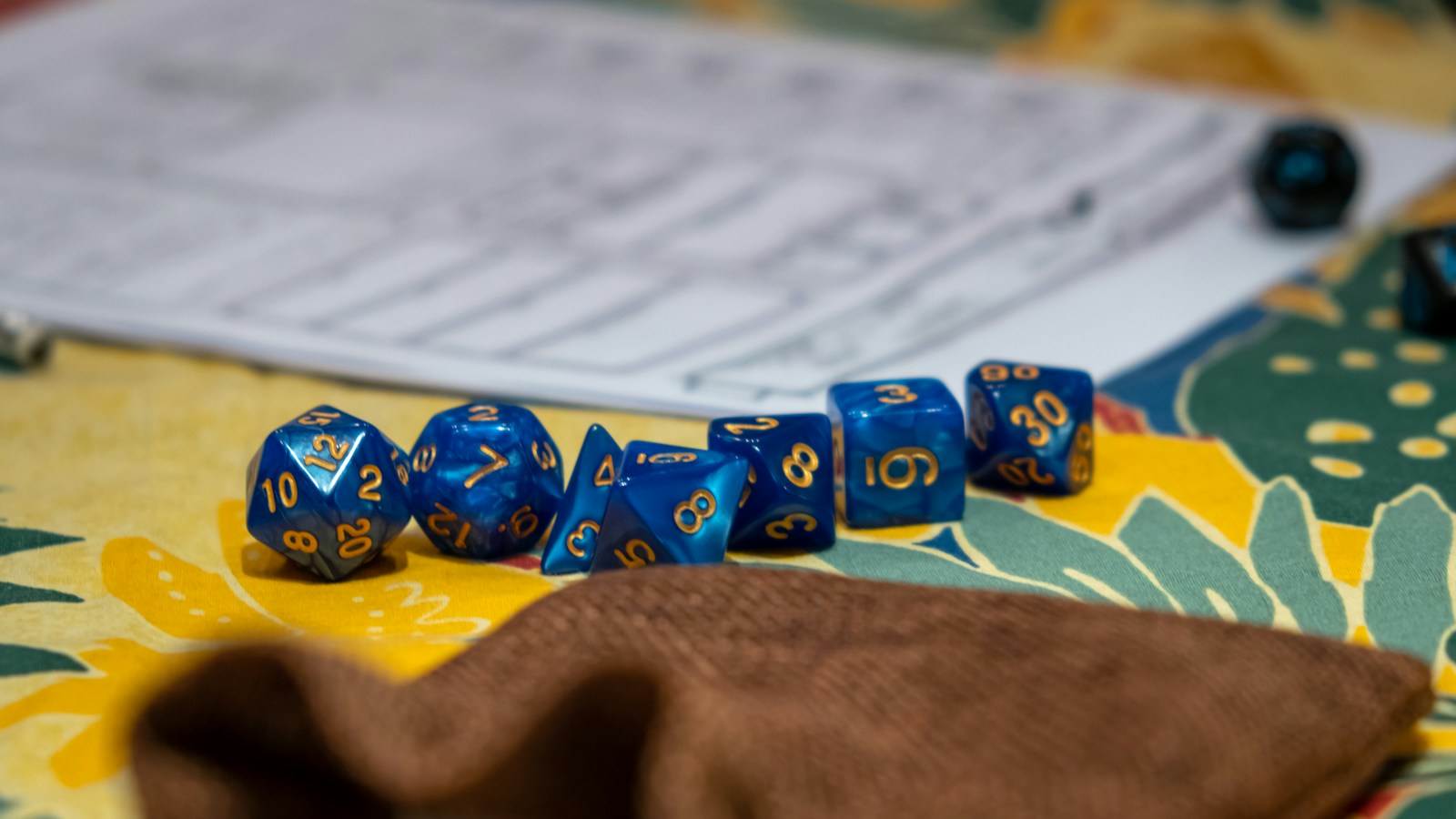
In a tabletop role-playing game, each person plays a made-up character. A guide describes what is happening, and the group decides what to do next. Simple choices, conversation, and rolls of the dice help the story unfold.
You may hear this called a TTRPG. At Wright Wellness, your guide—a therapist—uses this shared storytelling format to create opportunities to work on personal goals, with time to talk about the experience along the way.
Our groups use Nimble, a fantasy tabletop role-playing game. Beginners are welcome, and all gaming materials are provided.
The story is imaginary. The practice is real.
Personal goals shape the work. Depending on what matters to you or your child, the group can offer opportunities to:
Share an idea, ask for help, and listen to someone else’s point of view.
Notice frustration or disappointment and practice what helps you respond.
Make a plan, work through a disagreement, and try another approach when plans change.
Try a new role, recognize your strengths, and make choices that reflect what matters to you.
These are things to work toward together. Each person’s experience and progress will be different.
What to expect
Before the group begins, meet with your guide to discuss your goals, learn about the format, talk through expectations and group safety, and begin creating a character. This is a chance to explore whether the group is a good fit.
Group sessions include a check-in followed by shared storytelling and guided activities. Your guide leads the game and supports participants as they work through choices and challenges together.
Sessions close with time to reflect. What did you notice? What felt difficult? What might you want to try outside the group?
The therapeutic part comes from a therapist’s guidance, your individual goals, and reflection on the experience. Playing a game with friends can be meaningful, but a game on its own is not the same as therapy.
Fall 2026 · In person & virtual
Four group options are planned, with starts in late October. Elementary needs at least three participants to run; each other group needs at least four. For youth groups, Mea will notify parents by email or SimplePractice message when minimum enrollment is met, to confirm the group and welcome them. All times are Central.
Planned group
Ages 19 and up
Starts
7–9 p.m.
Every other Sunday 2 hours
Virtual only
4–6 participants
Eight sessions spread over several months.
Ask about this groupPlanned group
Ages 15–18 or grades 9–12
Starts
7–9 p.m.
Weekly on Mondays 2 hours
In person in Arlington
4–6 participants
Eight group sessions.
Ask about this groupPlanned group
Ages 11–14 or grades 6–8
Starts
4–6 p.m.
Weekly on Wednesdays 2 hours
In person in Arlington
4–6 participants
Eight sessions. No group November 25 or December 23.
Ask about this groupPlanned group
Ages 6–10 or grades 1–5
Starts
4–5 p.m.
Weekly on Thursdays 1 hour
In person in Arlington
3–5 participants
Eight sessions. No group November 26, December 24, or December 31.
Ask about this groupEach series includes eight group sessions, preceded by an individual intake, and enrollment is a commitment to the full series. Payments are nonrefundable, including when a participant misses a group session. The adult group meets every other week, and some youth groups have holiday breaks, so eight sessions does not always mean eight consecutive weeks.
Meet your guide
Licensed Professional Counselor Supervisor
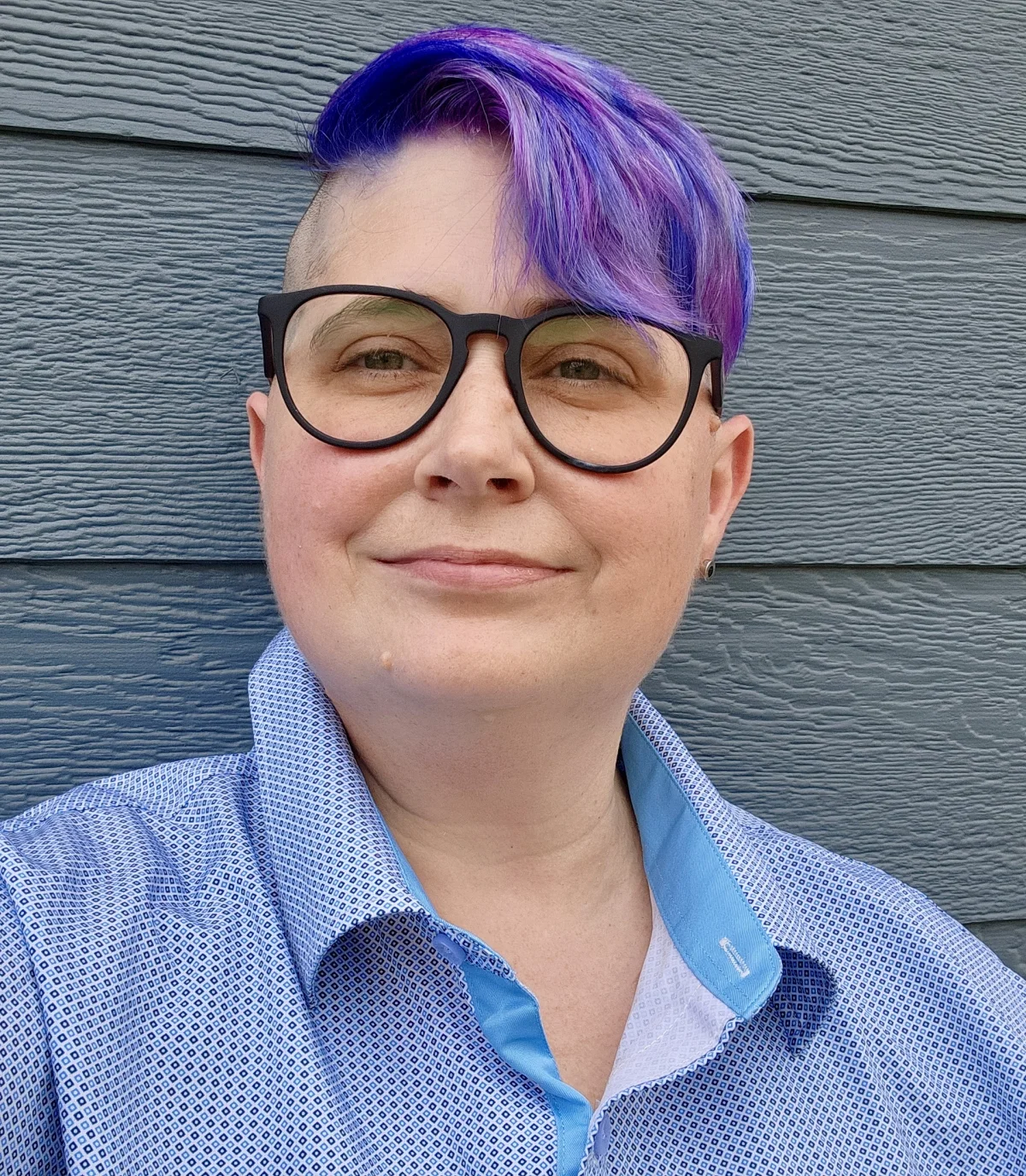
Mea works with children, teens, and adults, and brings games, stories, and imagination into their counseling work. Their approach begins with getting to know the whole person—their strengths, interests, and what they hope might change.
For these groups, Mea brings together their love of storytelling and their work as a therapist to help participants explore personal goals through a shared adventure.
Get to know MeaFor parents & curious beginners
You can be curious and still have questions. There is room for both.
Beginners are welcome. No role-playing experience is needed. The individual intake includes an introduction to the format and help creating a character. Let your guide know what support would help you or your child feel comfortable getting started.
The youth groups meet in person at Wright Wellness; the adult group is virtual only. Tabletop role-playing centers on conversation and a shared story, with materials such as dice, paper, and maps. It is different from playing a video game online.
If you are looking for therapeutic D&D or therapeutic DnD, these groups offer that kind of therapist-guided storytelling experience. Dungeons & Dragons is one familiar tabletop role-playing game; our groups use Nimble, a fantasy role-playing game with its own streamlined rules. Participants create characters, make choices, and explore a shared adventure. The therapeutic work comes from the therapist’s guidance, personal goals, and reflection along the way.
Tell your guide what helps your child feel comfortable, including any reading, attention, communication, or sensory needs. The intake is a chance to discuss the pace, participation expectations, and whether the group can provide the support your child needs.
The individual intake includes expectations and group safety. It is also a chance to talk about your child’s interests and goals, ask about the story’s themes and group privacy, and discuss how your child can speak up if something feels uncomfortable.
Joining means committing to the full eight-session series. Group sessions are $50 each, or $300 for all eight group sessions when paid upfront. Payments are nonrefundable. The $300 package does not include an individual catch-up meeting.
Missed group sessions are not refunded. An individual catch-up meeting with Mea is required before the next group meeting. For pay-per-session enrollment, a missed group session is charged at $50 and includes that catch-up meeting. Individual catch-up meetings are not included in the $300 prepaid package.
A caregiver should contact Mea, and together they will decide which group is the best fit.
A caregiver must attend a child’s first individual meeting. Elementary and middle-school caregivers remain in the lobby during group sessions. High-school caregivers must be available to pick up their child if needed.
Adults meet individually with Mea before joining to set goals, create a character, and learn the online tools. Group meetings take place in Riverside, with Owlbear Rodeo used for the virtual tabletop. Participants use character names on the tabletop, and first or preferred names and pronouns in the group meeting.
All gaming materials are provided. You are welcome to bring food for yourself; food will not be provided.
Early studies describe opportunities for connection, self-expression, and skills practice. Much of the research involves small groups, and some studies look at recreational play rather than therapy. We still need stronger studies to understand who benefits and how lasting those benefits are. Research does not promise a particular result for you or your child.
Explore a 2024 research review, a small adolescent study, and a community D&D study.
Take the first step
Contact our office and mention our tabletop role-playing groups and the age group you are interested in. We will help you explore fit, availability, fees, and next steps.
Asking about a group does not reserve a place or book an intake.